Hearing from the Greats: My recap of the 'Matriarchs of Birth' event.
Dec 10, 2025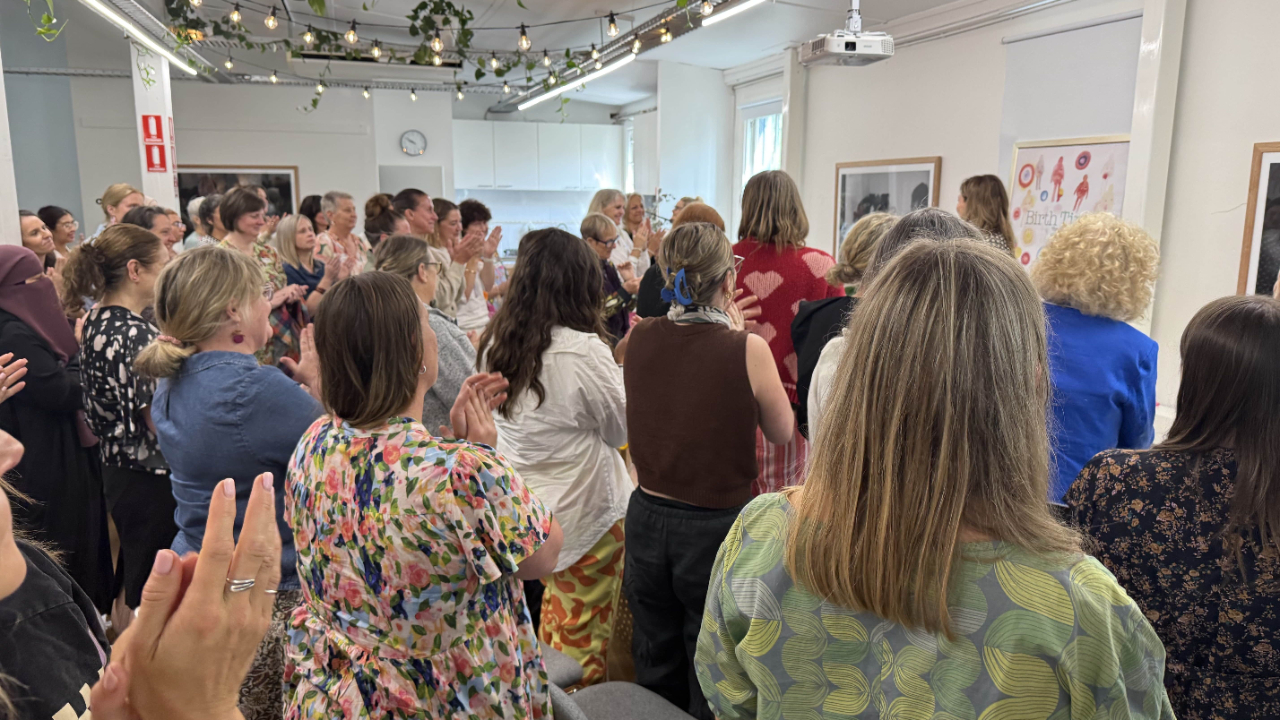
By Caroline Knight - DNA Committee Member.
On Sunday, 23 November 2025, I was fortunate enough to attend the “Matriarchs of Birth” symposium, hosted by Birthtime: The Village at their new premises in Annandale, Sydney. If you weren’t able to make it, I’ve captured my key takeaways in this article. I hope you enjoy!
The symposium featured six Matriarch from the Australian and International landscape:
- Prof. Pat Brodie;
- Prof. Nicky Leap;
- Prof. Sally Tracy;
- Rhea Dempsey;
- Prof. Hannah Dahlen; and
- Dr Sarah Buckley.
Between them, these women have provided decades of work, research and advocacy for birthing women in Australia.
The theme of the day was ’Looking back, Moving forward’. The intention was that this would be a passing of torches, a weaving of wisdom, and a call to action.
“Together, we will honour the past, reflect on hard-won lessons, and envision bold futures for birth and midwifery practice.”
The room was buzzing - full of midwives, doulas, students, researchers, and academics. Beyond the speakers (who had travelled from as far afield as the UK), there were other well-known faces from our industry, including Melanie Jackson and Catherine Bell. It was such a wonderful chance to network with like-minded people in an intimate setting. I found the day's format to be the perfect balance of learning and networking, with plenty of opportunities to ask questions.
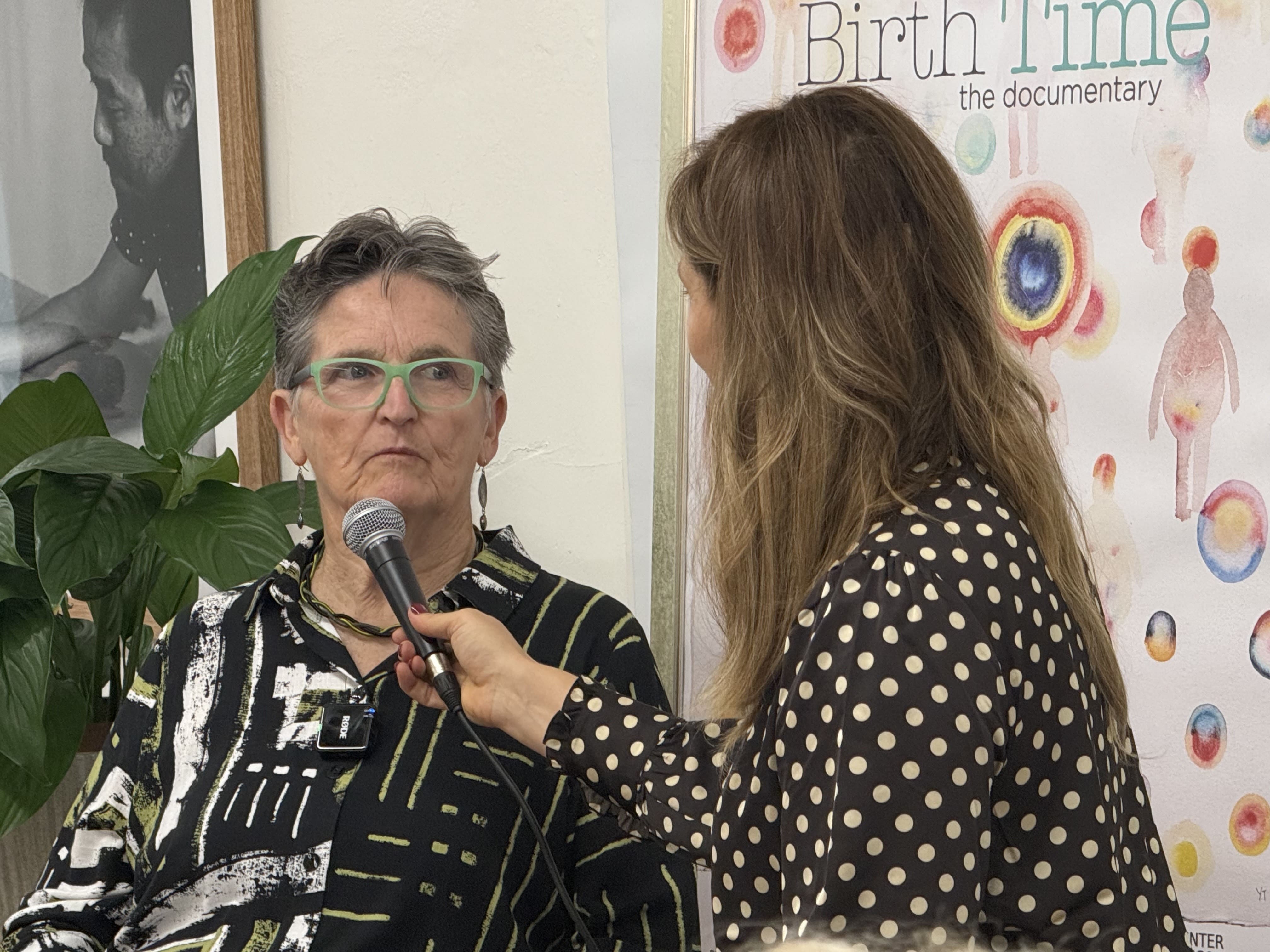
Pat Brodie
Pat shared what the birth landscape was like when she started her career. A medicalised system where women were confined to bed antenatally for the first few days. Babies were given four-hourly feeds, generally just three minutes on each side (!) - and then taken to the nursery so mothers could rest. She told a story about one hospital where hungry babies were topped up by a lactating midwife at 3am. Can you imagine?
The Midwife's role was quite invisible: they were expected to follow instructions and do observations. It was a nursing model and very hierarchical with very few opportunities to “be a midwife”. But there was change. With consumer activism and the profession developing a united voice.
Pat’s message was positive. She reflected that with competent, confident, informed, politically astute leadership, we’ve achieved a lot. We’ve still got a long way to go. But others will rise and contribute. All of us in the birthing world can improve outcomes for women and the practice and satisfaction of midwives.
Key takeaway: Culture can change. We need to be strong, united, organised and tenacious. She stressed the importance of unification and encouraged us to believe in ourselves and come together, not be torn apart.
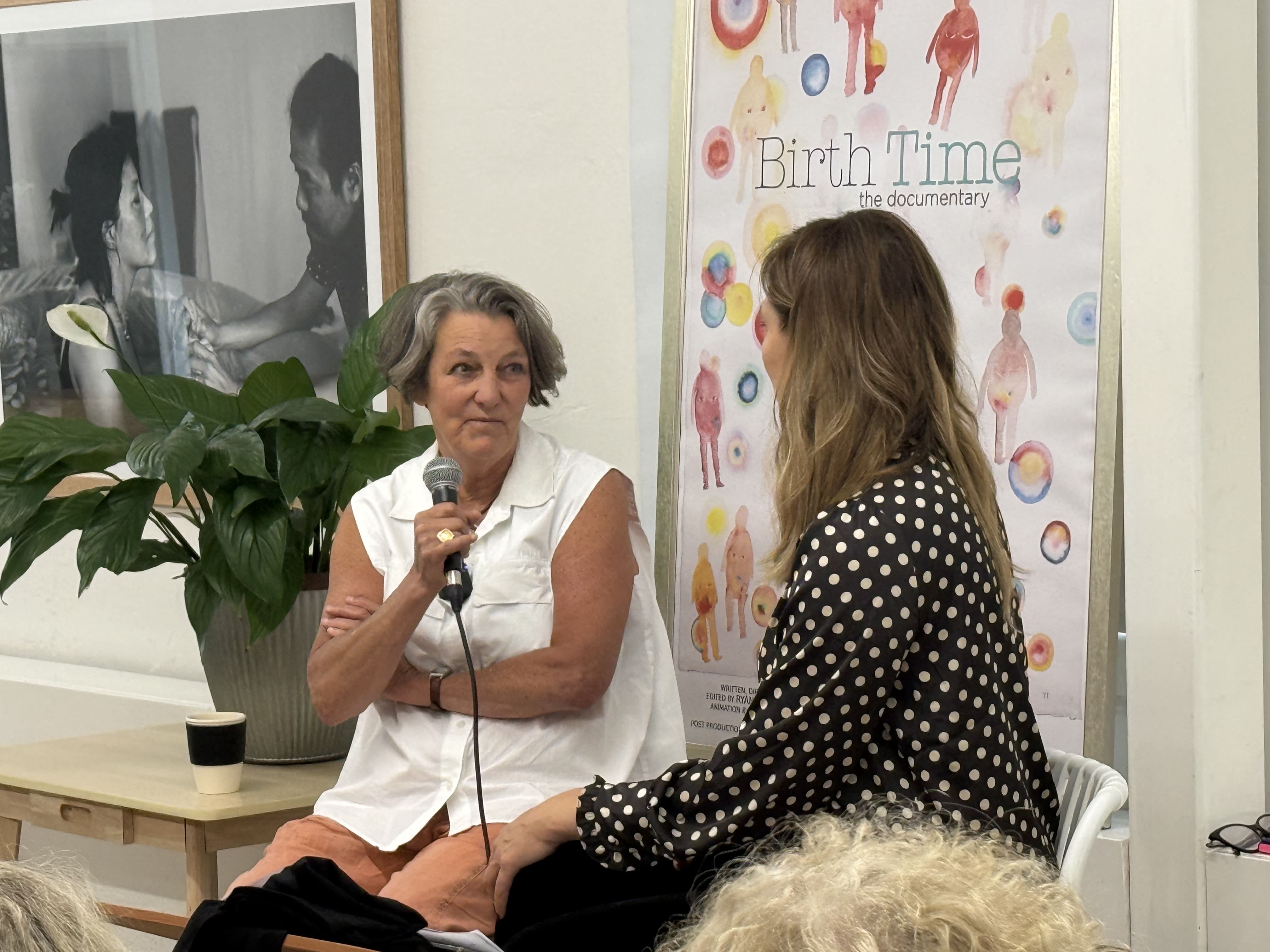
Sally Tracy
In her career, she was at the forefront of introducing continuity-of-care practices. Sally explored the idea that there is a tension between research, vision and the realities of the system. The system is incredibly entrenched and hence, hard to change. Cue lots of nodding heads.
Caseload went against the system. She explained that the concept of continuity was considered the “Rolls-Royce” of services and was too expensive to offer to women. But when they looked at the standard model of care - the sick leave for burnt out staff, the agency fees, and the rosters where staff were paid but not required, they realised that continuity actually had cost efficiencies. Once they demonstrated cost savings, they were able to discuss it and ultimately introduce it.
Key takeaway: We need to keep pushing for the expansion of Continuity of Care models, as we know it improves outcomes for mothers and midwife satisfaction.
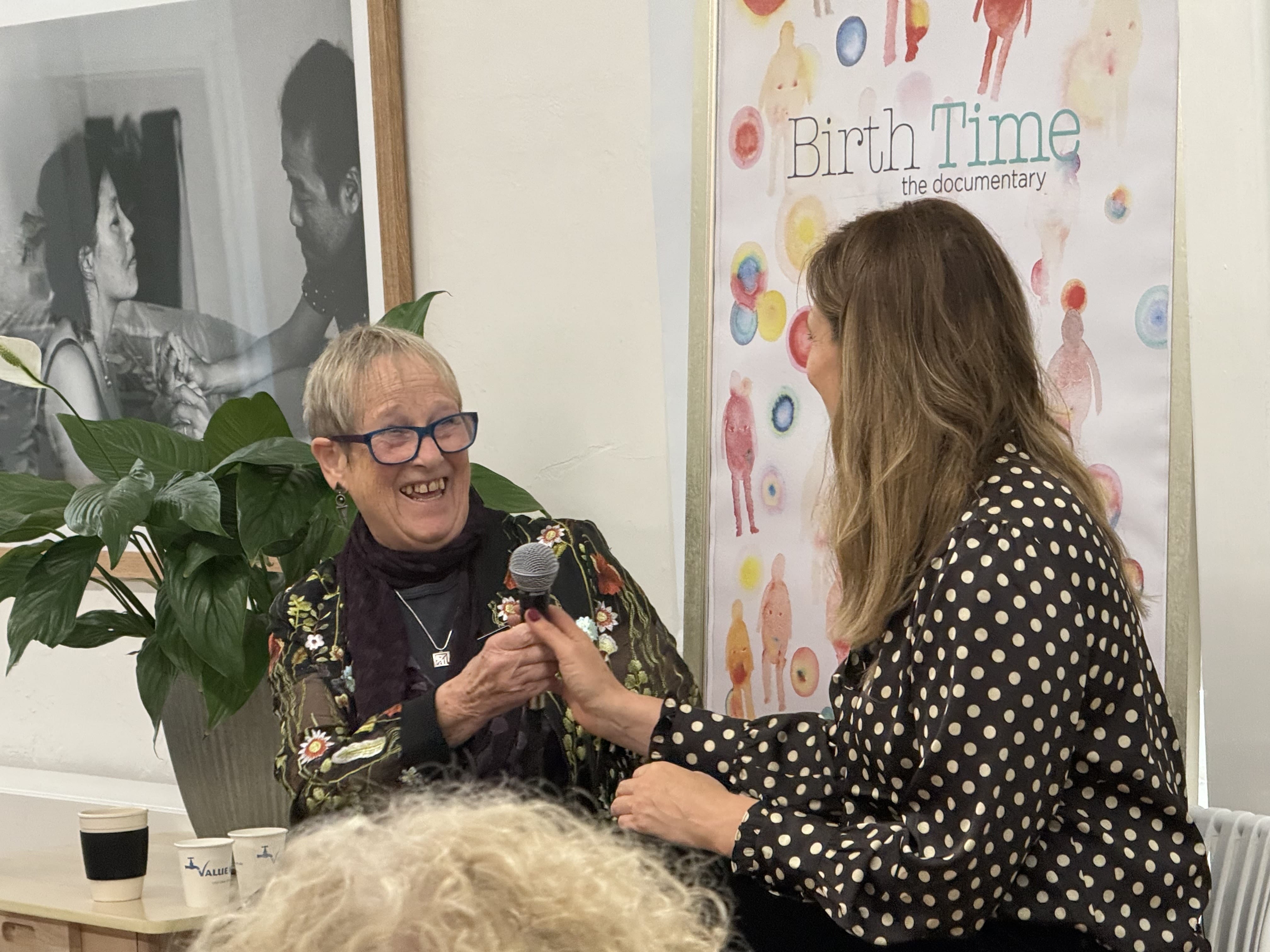
Nicky Leap
Nicky was also at the forefront of the continuity model. She echoed Pat’s message about the strength of being part of a group and bringing people together. She spoke about birth in the system in the context of the patriarchy. And in terms of advocacy and system change, she detailed that the art of persuasion is in knowing your audience, what will have social meaning for them, and therefore what will be compelling for them.
Key takeaway: Find angles that appeal to your audience and lead with those. This is effective in the broader landscape (policy) and within the birthing room.
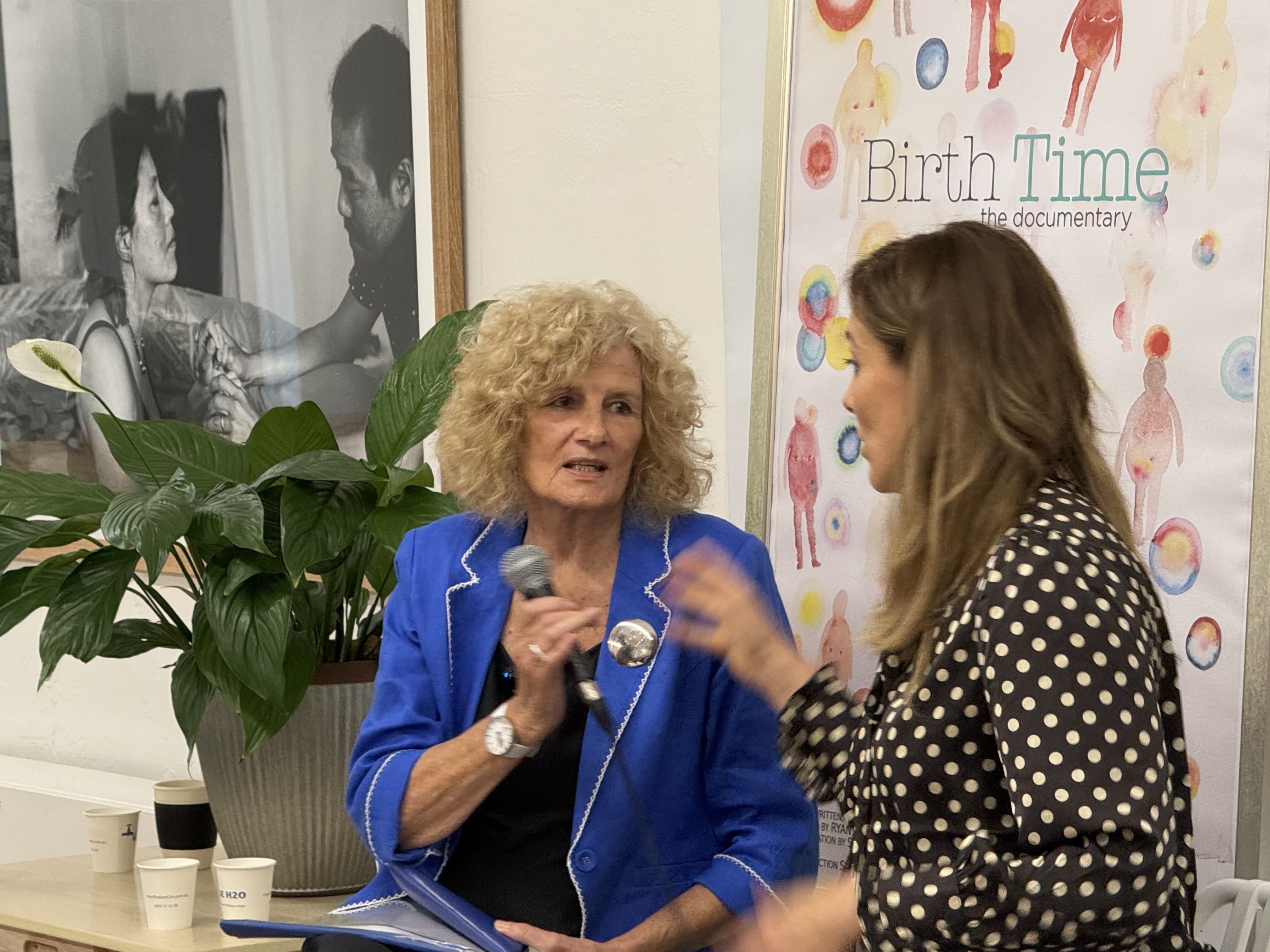
Rhea Dempsey
Beloved of many a doula, Rhea expanded on her births and her observation that, in the system, even though you are the mother, you’re not in charge of your experience. Amongst her discussion was a reminder that women tend not to tell their positive birth stories because they want to take care of other women. But to improve birth outcomes for everyone, we must encourage women to tell these stories.
Key takeaway: Normalise sharing all types of birth stories, including positive experiences.
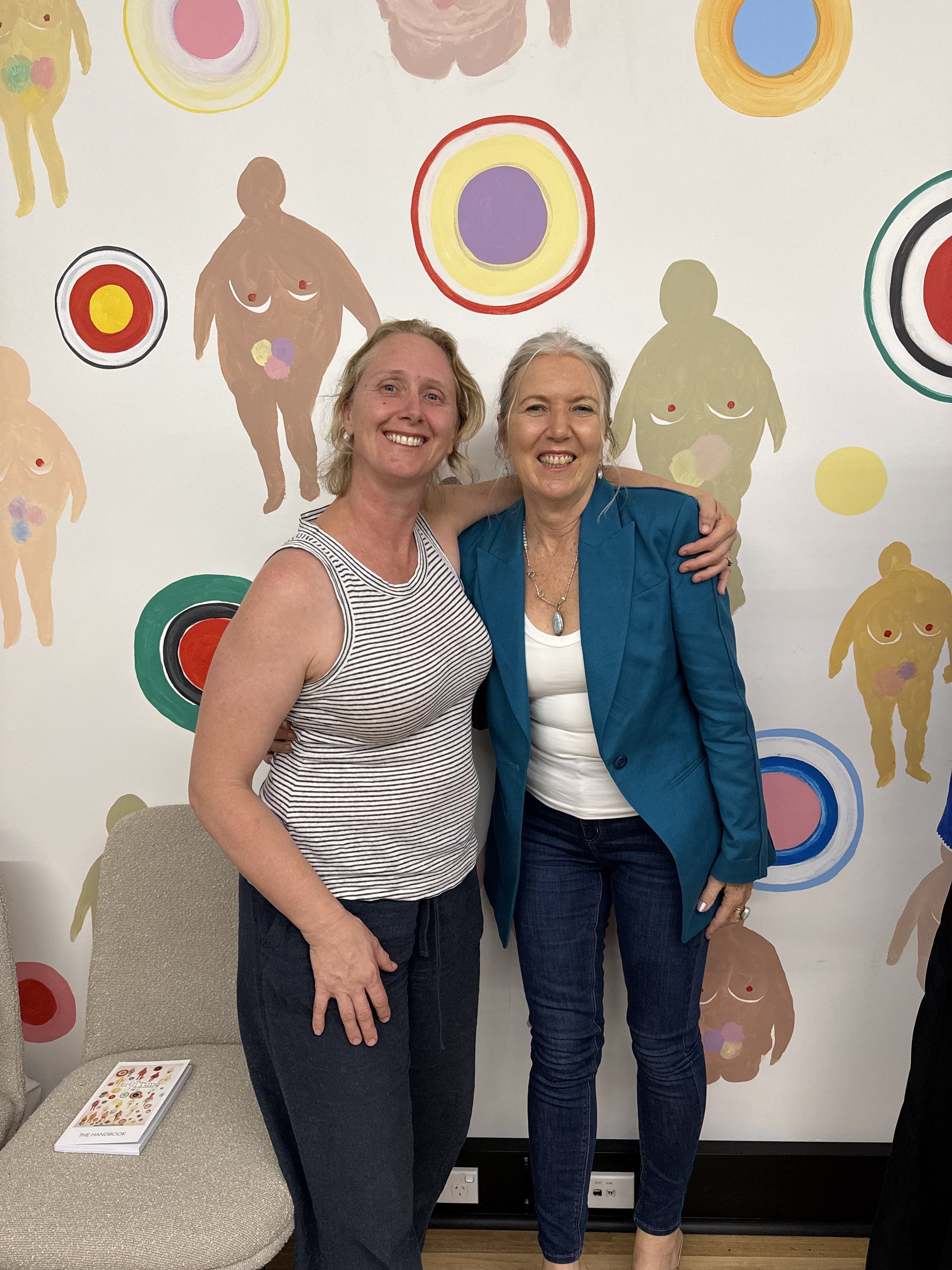
Dr. Sarah Buckley
Many of us are familiar with Dr Sarah Buckley’s work on the hormones of birth. She has recently completed her PhD and submitted her thesis, which is awaiting peer review. She expanded on her most recent research and shared fascinating insights into the benefits of labour, even when it is syntocinon-driven.
Key takeaway: While we await the research for the final analysis, Sarah observed that in many circumstances, an “in-labour” caesarean tends to be more beneficial than a “pre-labour” caesarean.
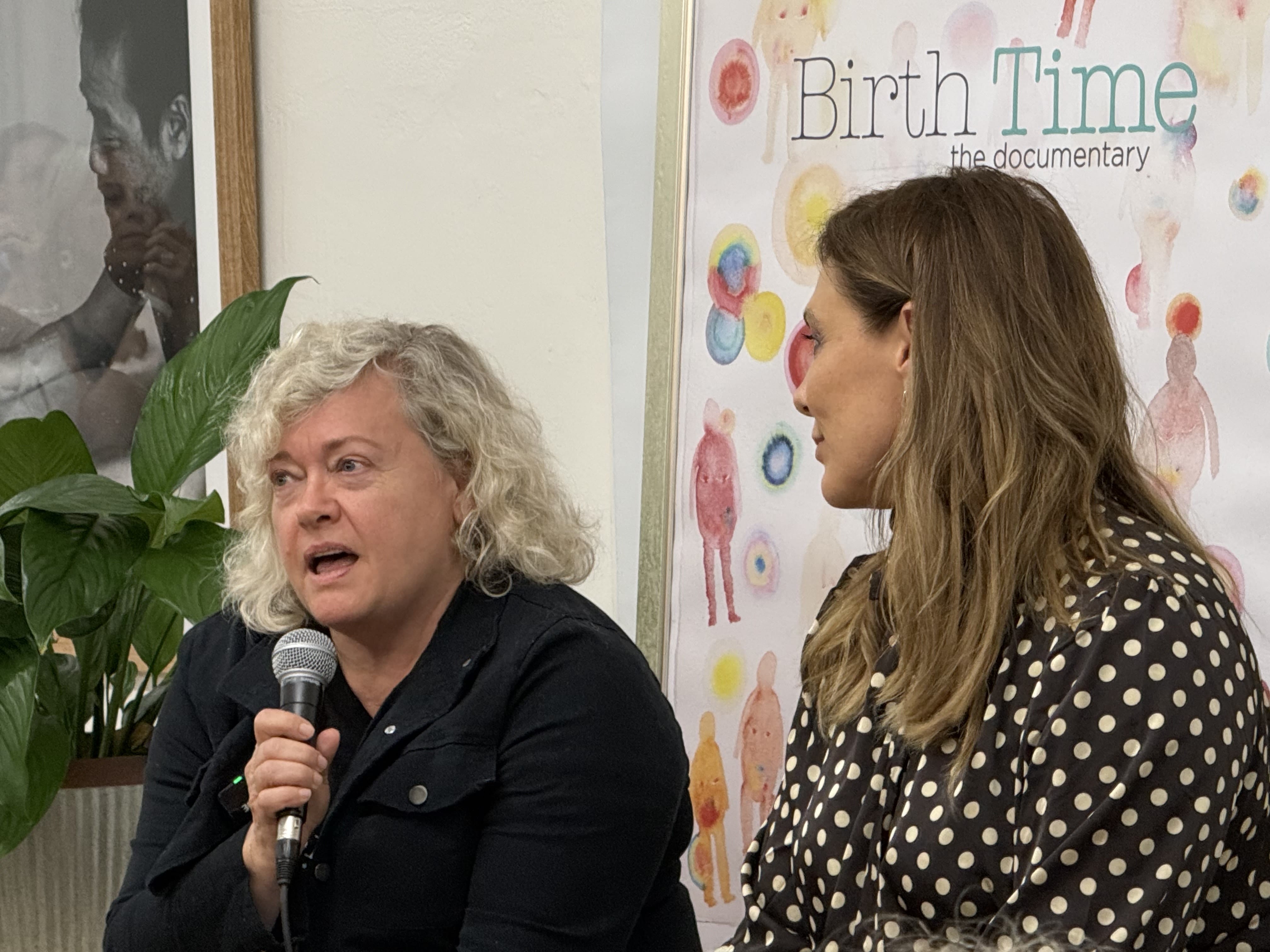
Hannah Dahlen
Hannah spoke about current birth culture, including the trauma that fuels a lot of the issues we’re encountering. She mentioned the recent collaboration between the Australian College of Midwives and RANZCOG. Hannah observed that she feels collaboration is a great thing - but let’s not lose our souls in the process.
She referred back to the Australian Survey of Women’s Experiences of Obstetric Violence research and the fact that 2/3 of women are feeling dehumanised in the system. There are enormous implications of this, including people who then prey on these women’s vulnerability.
Key takeaway: In the circumstance of a home birth transfer, she suggested that the client’s birth team could introduce themselves to the hospital care providers and observe, “We’re really glad to be here, because this is where we need to be”. This simple acknowledgement can break down silos and help everyone integrate and work well as a team to welcome the baby in the hospital setting.
I felt privileged to be part of this event. It was truly a special day, packed with interesting and compelling stories. Gasps and laughs, standing ovations and tears.
It was a great opportunity for birth workers in many roles to come together. And at the end of the day, the consensus was “the future is in safe hands”.
About Caroline Knight – Committee Member
Caroline Knight has been fascinated by birth since childhood, inspired by her midwife mother and early immersion in midwifery books. Although her career initially took a different direction—spanning more than 20 years in advertising, PR and digital media, including a decade in the UK and extensive travel—her own experiences birthing three sons (an unplanned caesarean followed by two VBACs) reignited her passion for supporting families through birth.
In 2021, Caroline trained with the Australian Doula College and has since completed additional education in Optimal Maternal Positioning and Spinning Babies. She now works as a birth and postpartum doula across Sydney, supporting families in hospitals, birth centres and at home.
Alongside her doula work, she is the Doula Coordinator for She Births and contributes to The Groundwork Program, assisting vulnerable families with complex needs through organisations such as child protection services and the NDIS.
E: caroline.knight@gmail.com
Insta: @your_birth_story
